
Request A Free Travel Guide
The Flagstaff Travel Guide is an annual publication featuring the accommodations, restaurants, activities and useful travel information for the Flagstaff area.
Get The GuideOur birding guide will help you spread your wings and fly in your newest wildlife hobby.
Flagstaff’s gorgeous scenery and bucolic nature reserves are more than just awe-inspiring places to visit; they also act as popular habitats for incredible wildlife. Discover migratory birds, native birds, and learn more about bird watching with these resources.
3 Walnut Canyon Road
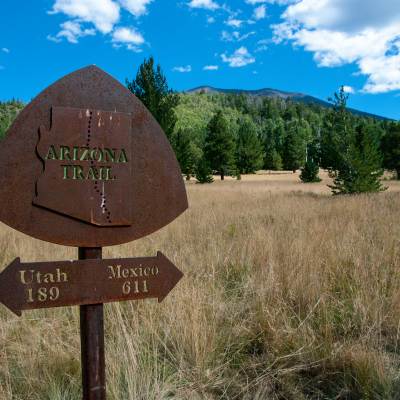
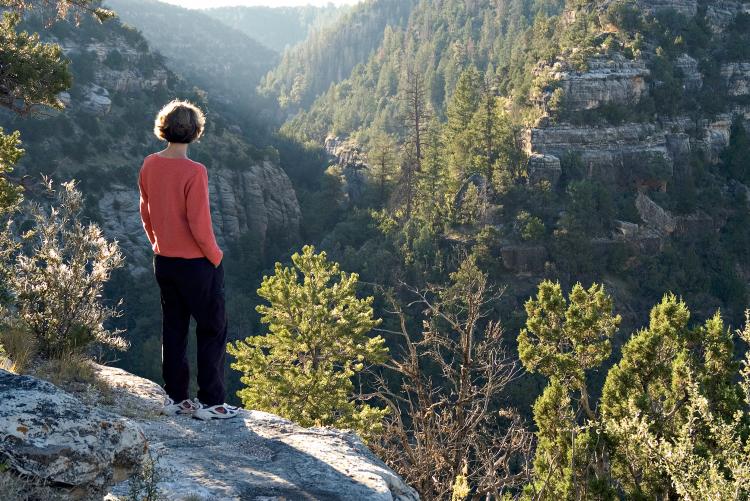
Among the tall forested hills of Walnut Canyon National Monument, you’ll find paths that slice through cliffsides, an active bird life, and ancient dwellings carved into the walls. Trekking its historic trails makes for a singular experience to tack onto your outdoor adventures in birding. The wooded landscape is easily navigable with the Walnut Canyon Island Trail and the Arizona Trail, which give great access to wildlife views.
1824 S. Thompson Street
With 1.8 million acres of land, you’ll never stop finding new ways to explore Coconino National Forest. And, as a national forest, its heavily wooded areas make for ideal nesting spots for local avian wildlife. To catch glimpses of these birds, the park has a mix of paved trails and dirt paths. Leisurely discover the grounds with the easy Campbell Mesa and Anasazi Loop and Continental Loop, or try your hand at the moderately difficult Walnut Meadows Loop.
The many bodies of water within the forest’s grounds provide a great place to catch birds taking a dip. For the best birding opportunities, visit Ashurst Lake, Stoneman Lake, Marshall Lake, Mormon Lake, Lake Mary, and the Kachina Wetlands.
2446 Fort Tuthill Loop
Fort Tuthill is more than just its on-site skate park and disc golf courses; the park has two perfect trails for birding. The Soldier Loop Trail and the Sinclair Wash Trail both wind you through the tall trees of the park for miles. Along these paths are plenty of opportunities to pull out your binoculars and search the branches for native species and/ or migratory birds.
Woody Mountain Road / Forest Road 231
Among our region’s wetlands, Rogers Lake is a large, highly elevated lake that brings a serene feeling to its surrounding sweeping landscape. As you wander the grounds, you’ll smell the thick scent of its pine forest, an active home to woodpeckers and warblers. You’ll have the chance to explore these grounds via the Two-Spot Trail and the Gold Digger Trail.
702 N. Fourth Street
The Observatory Mesa Nature Area spans just over 2,000 acres and hosts a cozy environment of stunning flora and active fauna. Not only will you see how lively the wildlife at the nature area is, from deer grazing to lizards scurrying across your path and squirrels climbing trees, you’ll also hear the wildlife humming throughout the trees. Listen for bird calls as you wander along the 1.6 miles Observatory Mesa Trail.
6082 Sunset Crater Road
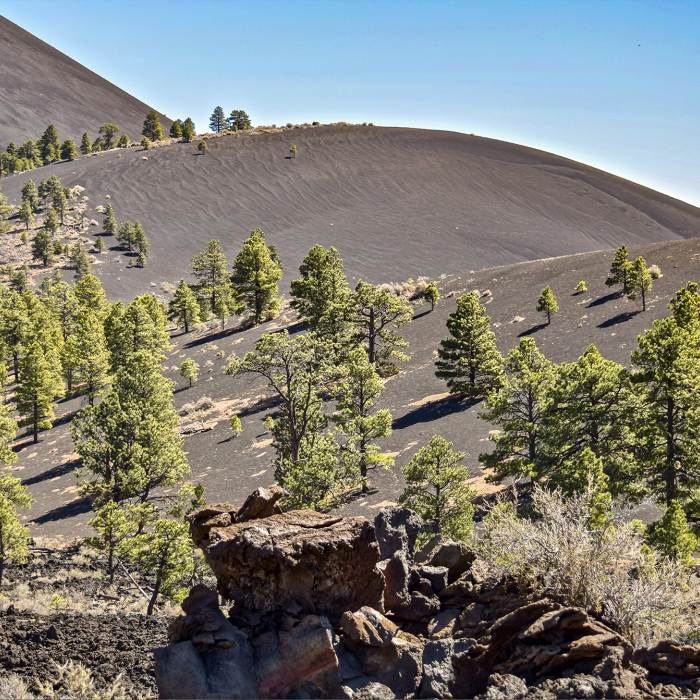
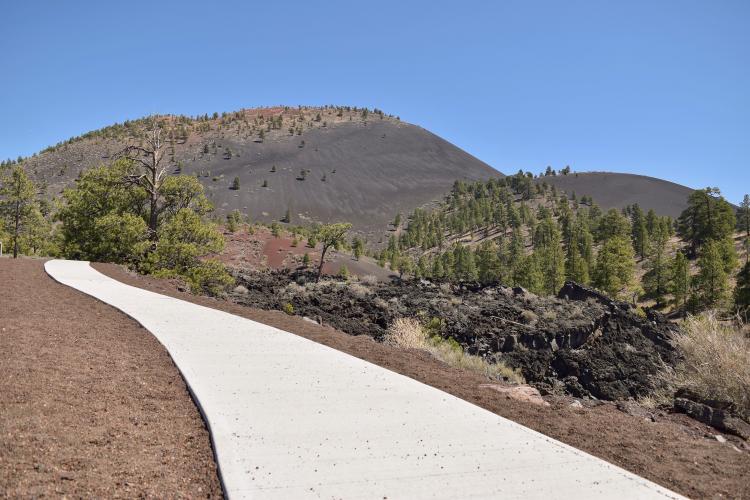
One of Flagstaff’s more unique nature reserves, the Sunset Crater Volcano National Monument’s landscape is sculpted by sandy, black rocks that are remnant lava rocks from the volcanic field. This loose soil makes for the perfect ground for birds to take dust baths in, and the cinders’ heat provides natural heating for their eggs. Catch these habits up close via the Lava Flow Trail, which is ideal for bird watchers.
Whether you’re an experienced birder or looking to start as a beginner, the Flagstaff Birders group is a community of bird watchers that welcomes new members of all experience levels. The group is sponsored by Northern Arizona Audubon Society, though membership in the society is not required to join the group, and treks throughout Flagstaff, Sedona, and the Verde Valley area.
Scheduled events include neighborhood hikes and educational sessions, but there is also an online community where members can share their latest finds and talk about their favorite birding locations, tips and tricks, and schedule get-togethers. To join the group, visit their meetup page.
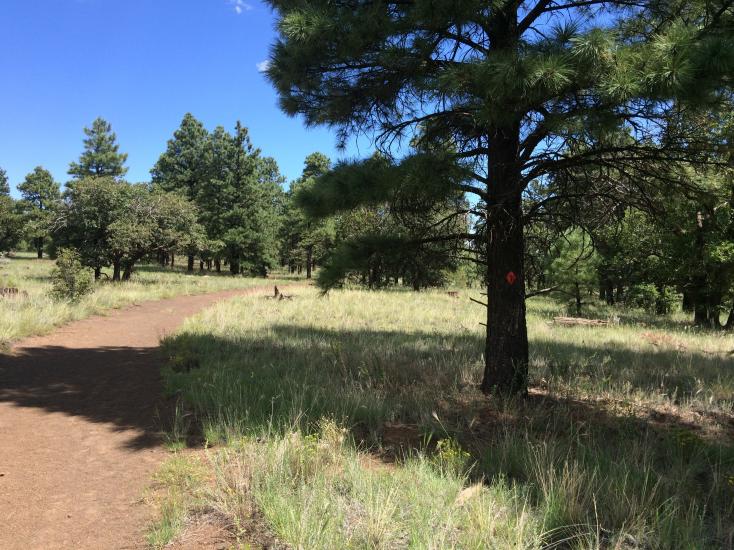
The Northern Arizona Audubon Society is an organization dedicated to protecting the avian wildlife within the northern region of our state. Their efforts in northern Arizona are especially crucial due to the region’s combination of native birdlife and migratory birds that settle in the area.
As part of their mission, the Northern Arizona Audubon Society offers free bird walks and workshops. These programs are designed to educate new birders, encourage development in birding, and teach best practices in wildlife observation. These events happen in a series of locations, including Picture Canyon and the Kachina Wetlands.
4001 S Woody Mountain Road
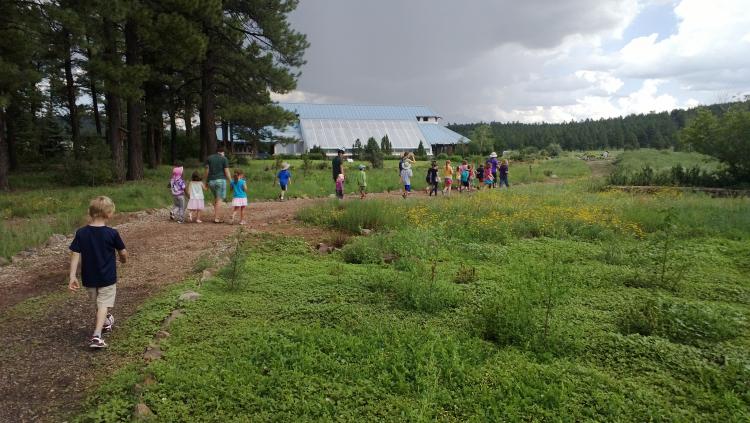
Every year, the Arboretum at Flagstaff hosts their series, Bird Walks at The Arb. The 2026 series is led by Dr. Celia Holm, a zoologist, who guides the morning walk from 7:30 a.m. to 9 a.m. These events do require you to purchase a ticket.
For existing arboretum members, the walk is only $10. For non-members, the ticket is $20, which you can reserve through the arboretum’s website. It’s recommended that you bring water and wear comfortable shoes. Don’t forget your camera, too, to capture all the birds you spot along the guided tour.
What are the most common birds of Flagstaff?
According to eBird.org, some of the most common birds you’ll spot in the Flagstaff region are:
What to pack for birding in Flagstaff?
Birding doesn’t require too much in terms of packing. The lightweight activity relies mostly on a pair of binoculars and your patience as you carefully navigate the trails and nature reserves for the avian wildlife.
Other handy items to store in your pack:
Where can I get binoculars for birding in the Arizona mountains?
Do I need a permit for birding in Coconino National Forest?
No, you do not need a permit for birding.
Where are there accessible birding spots near Flagstaff?
The Arboretum at Flagstaff has accessible paths for those who require accommodations. Their paved paths take guests throughout the gardens and greens on a smooth, level surface.
The Walnut Canyon National Monument’s Rim Trail and Island Trail are paved. Wheelchair access is also available through the Flagstaff Urban Trail System, which offers over 50 miles of accessible paths.
Additionally, Coconino National Forest has several paved trails available to visitors. Please note that not all of their trails are paved.
How long are the trails recommended for birding?
Related Content
The Flagstaff Travel Guide is an annual publication featuring the accommodations, restaurants, activities and useful travel information for the Flagstaff area.
Get The Guide