Ready for an out-of-this-world getaway?
Flagstaff is world-renowned astrotourism destination

Flagstaff’s commitment to stargazing is supported with light restrictions making it the ideal destination to explore the night skies.
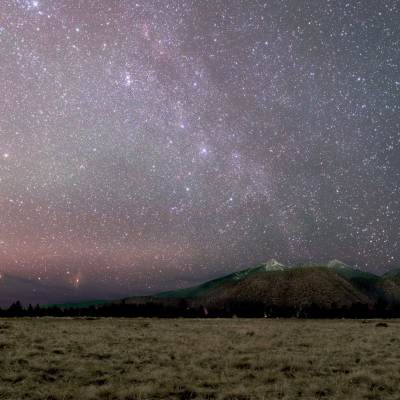
Flagstaff is known worldwide for its dark skies, long history in astronomy, and commitment to protecting the night sky. As the world’s first International Dark Sky City, this is a place where stargazing is part of everyday life. From observatories and public programs to open landscapes with minimal light pollution, Flagstaff offers rare access to the night sky, which is a can't-miss experience when visiting.
Why is astrotourism important?
"Astronomy compels the soul to look upwards and leads us from this world to another." - Plato
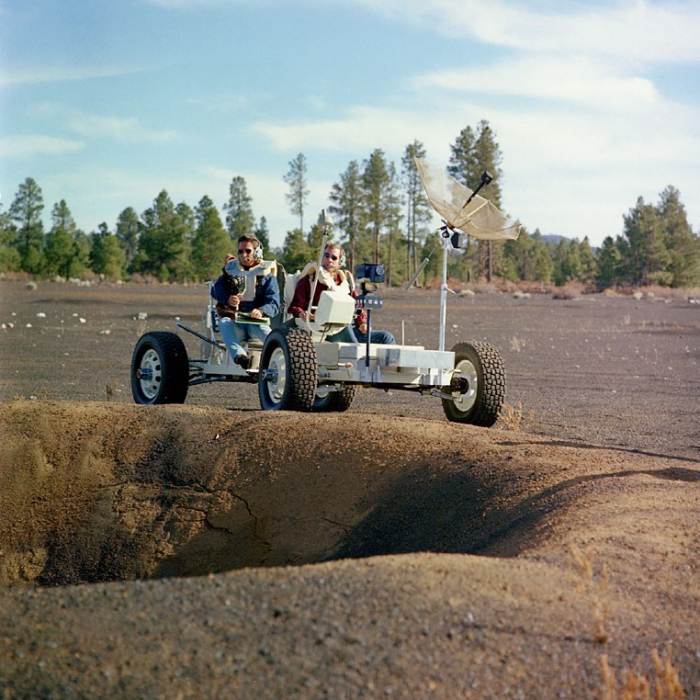
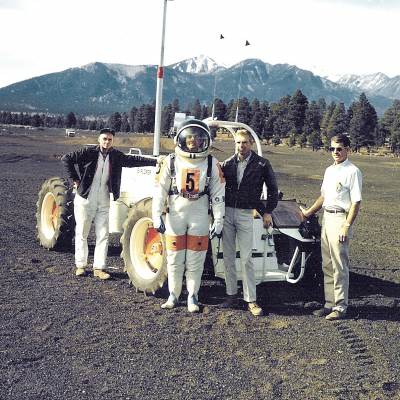
Flagstaff is a stellar destination with experiences truly out of this world. No, seriously! From discovering Pluto and training astronauts to walk on the moon, to becoming the FIRST International Dark Sky City, Flagstaff has a rich lunar legacy.
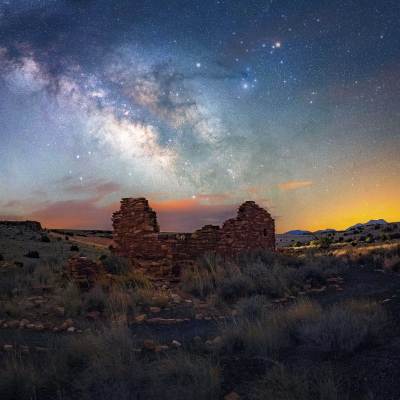
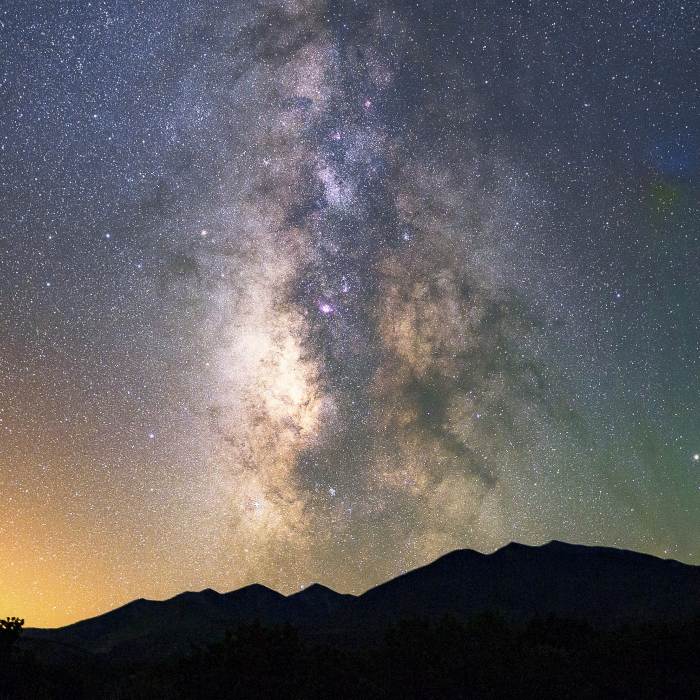
On October 24th, 2001, the City of Flagstaff became the World’s First International Dark Sky City, a designation awarded by the International Dark Sky Association. Flagstaff’s low light pollution and commitment to enforcing stargazing-friendly lighting restrictions make it the ideal destination to explore the night skies. Flagstaff offers stellar views of the Milky Way, weather permitting, and one shooting star after another, and then some more after that!
The 50,000-year-old Meteor Crater was left as the result of a meteorite (estimated to be about 150 feet across and weighing several hundred thousand tons) striking the Earth with a force 150 times greater than an atomic bomb explosion. It is now the best preserved meteor crater in the world, and while it's not the biggest, it still takes up 50 football fields! Keep an eye out for the special surprise found inside the crater; there's a telescope to help you find it.
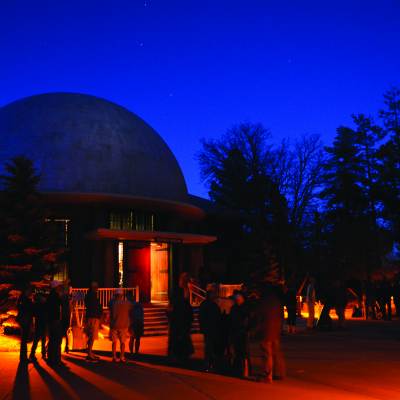
For more than 125 years, Lowell Observatory has connected people to the universe through education, exploration, and discovery. Lowell Observatory carved out a niche for many discoveries, including Pluto. History is made every day by their brilliant team of researchers. Visitors touring the Lowell Observatory campus can view historic and modern telescopes. Events are held year-round to provide a safe eclipse-viewing experience with specialized glasses. A Pluto Festival occurs each February to celebrate Flagstaff's role in the discovery. Lowell isn't limited to evening experiences. Telescopes can find stars and planets during daytime hours, too; it's pretty incredible.

Location: 1400 W Mars Hill Rd, Flagstaff, AZ
Lowell Observatory is one of Flagstaff’s most recognized attractions and a cornerstone of its astronomy heritage. Visitors can attend evening programs, view celestial objects through telescopes, and learn from astronomers in a setting designed for public education and discovery.
Flagstaff’s surrounding forests, parks, and high desert landscapes offer excellent stargazing with minimal travel time. These areas allow for quiet, open-sky viewing away from city lights while still being easy to reach.
Throughout the year, Flagstaff hosts astronomy-focused events that welcome visitors of all ages. These include star parties, educational talks, and community programs tied to major celestial events. Many are free and designed to introduce beginners to stargazing while offering deeper insight for enthusiasts.
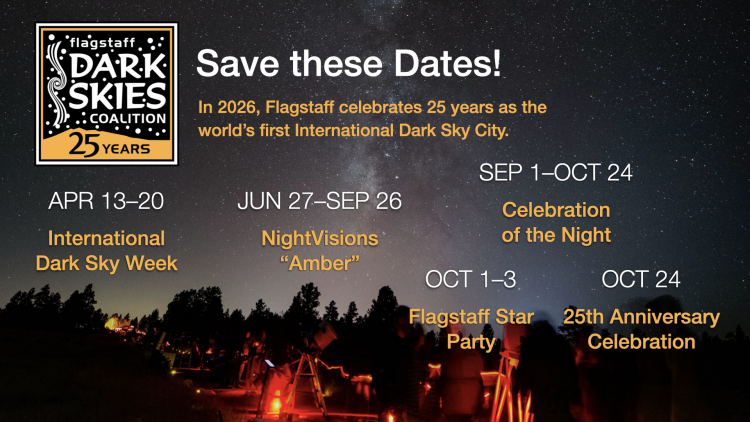
“Starlight in the Square” event in Heritage Square, as well as other city-wide stargazing activations
A series of monthly concerts of live music (with a grand piano and/or the Dark Sky Quartet) played in Buffalo Park as the Full Moon rises
An immersive summer art show at Coconino Center for the Arts that incorporates Flagstaff’s amber lighting
City-wide programs, talks, and night-sky activations
Family activities and guest speakers in Buffalo Park
The actual anniversary of Flagstaff's designation as the world’s first International Dark Sky City in 2001!
Check out the latest Apollo 15 Film
A recently released film was privately produced from archival material (visual and audio) retrieved from the period of the Apollo program. The exploration experience is further enhanced by including brief clips of familiar Apollo-era music; this adds another dimension to the visual scenes. This 55-minute movie about the Apollo 15 mission includes a few clips showing members of the Flagstaff USGS Astrogeology support team in Mission Control/Houston during the mission.
Apollo 15 Commander Dave Scott stated:
The upgraded Apollo 15 50th Anniversary film was released on the Apollo 15 Learning Hub https://film.apollo15hub.org at 10 am EST, January 10, 2024. This educational film aims to provide the public with an opportunity to learn about Apollo 15, in particular, and the Apollo program in general.
Follow the links below to learn more about Flagstaff's lunar legacy, role in training astronauts and mapping the moon, and more! Flagstaff is an astrotourism paradise, with nonstop stellar experiences year-round, weather permitting.
Clear, moonless nights provide the best visibility. Late spring through early fall typically brings the most reliable viewing conditions.
Astrotourism focuses on travel experiences tied to the night sky, including stargazing, astronomy education, observatory visits, and dark-sky preservation.
Flagstaff was the first city in the world designated as an International Dark Sky City. Its lighting protections and scientific history make it a global leader in night sky conservation.
No. Many stars, planets, and the Milky Way are visible to the naked eye. Binoculars or telescopes enhance the experience but are not required.
Moonless nights with clear skies provide the best visibility. Summer and early fall are especially popular for Milky Way viewing.
Yes. Lowell Observatory and community events often provide guided programs with professional equipment and expert instruction.
Yes. Many programs are designed for all ages and offer interactive learning that works well for children and first-time visitors.
Some observatory programs and special events require tickets or advance reservations, especially during peak seasons.
Many dark sky viewing areas are a short drive from downtown Flagstaff, making access convenient.
Ready for an out-of-this-world getaway?
Flagstaff is world-renowned astrotourism destination
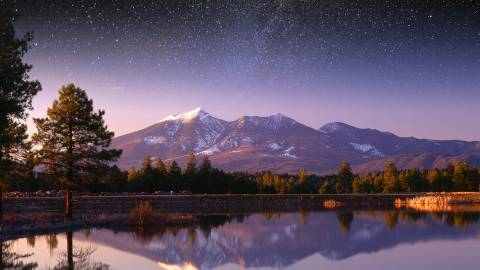
This Astrotourism Paradise is in Plain Sight
Day and Night Time Astrotourism Activities in Flagstaff
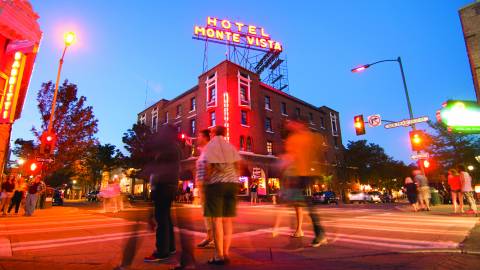
A Weekend of Wonders in Flagstaff, Arizona
Enjoy a weekend of adventure and American history in Flagstaff, Arizona.
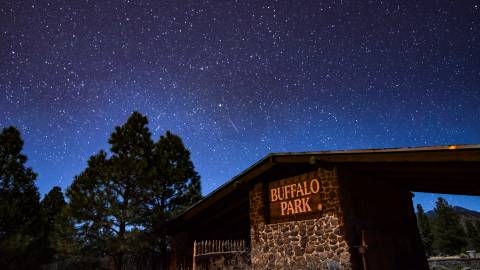
Astrotourism in Flagstaff: A Gateway to the Stars and Beyond
Prepare for an adventure of cosmic proportions!

Celebration of the Night
October 1-3 at Buffalo Park, 6-10pm
Explore

The Flagstaff Travel Guide is an annual publication featuring the accommodations, restaurants, activities and useful travel information for the Flagstaff area.
Get The Guide